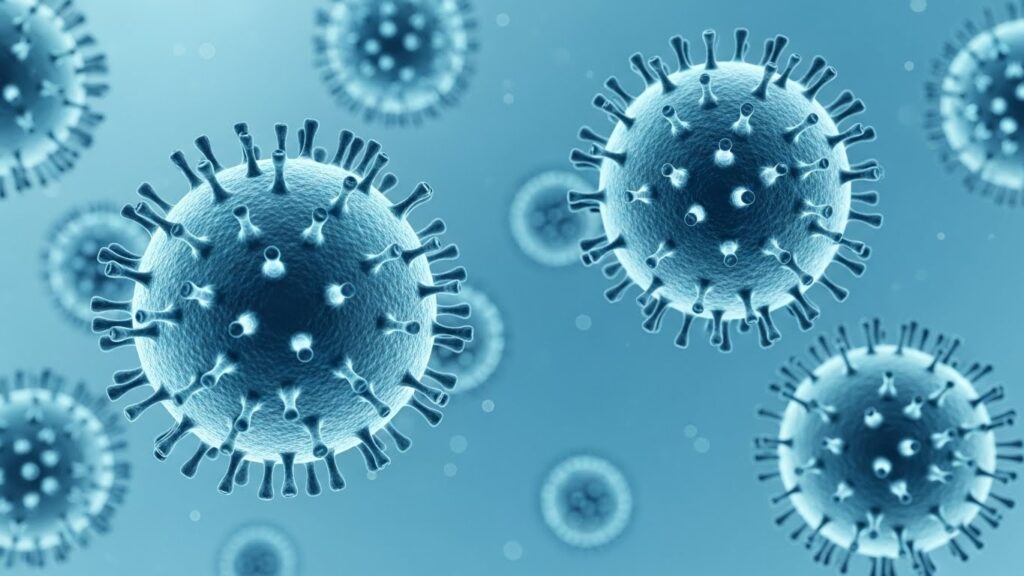
Epidemiology news has moved from academic journals into everyday conversations. Once a behind-the-scenes science, epidemiology is now front-page material, shaping how societies respond to disease, health risks, and global emergencies. Whether it’s tracking outbreaks, understanding chronic illness trends, or predicting future health threats, epidemiology news helps us make sense of a complex world.
Think of epidemiology as the weather forecast of public health. You may not control the storm, but knowing it’s coming helps you prepare.
What Is Epidemiology and Why It Matters Today
Epidemiology is the study of how diseases spread, who they affect, and why. It looks at patterns, causes, and effects of health conditions across populations.
The Role of Epidemiology in Modern Public Health
Epidemiologists act like detectives. They investigate outbreaks, trace sources, and identify risk factors. Their work guides vaccination programs, disease prevention strategies, and emergency responses.
How Epidemiology Shapes Health Policies
From lockdown measures to food safety laws, epidemiology data influences major policy decisions. Governments rely on it to allocate resources and protect populations effectively.
Why Epidemiology News Is More Important Than Ever
In a globally connected world, diseases don’t respect borders. Epidemiology news keeps us informed, prepared, and grounded in facts.
Post-Pandemic Global Awareness
The pandemic changed how people view public health. Terms like “infection rate” and “risk assessment” became household language, making epidemiology news essential rather than optional.
Data-Driven Decision Making in Health
Epidemiology news translates complex data into actionable insights, helping leaders and individuals make smarter health decisions.
Major Global Epidemiology News Trends
Epidemiology news constantly evolves as new challenges emerge.
Emerging Infectious Diseases
New viruses and bacteria continue to surface due to urbanization, wildlife interaction, and global travel. Epidemiologists track these threats early to prevent large-scale outbreaks.
Antimicrobial Resistance Updates
Antibiotic resistance is one of the biggest stories in epidemiology news. Common infections are becoming harder to treat, raising alarms worldwide.
Climate Change and Disease Spread
Rising temperatures and extreme weather are expanding the reach of vector-borne diseases. Mosquito-related illnesses, for example, are appearing in regions where they were once rare.
Recent Breakthroughs in Epidemiology Research
Scientific progress continues to reshape how diseases are monitored and controlled.
Advances in Disease Surveillance
Real-time reporting systems now allow faster detection of outbreaks, reducing response times dramatically.
AI and Big Data in Epidemiology
Artificial intelligence acts like a powerful microscope, spotting patterns humans might miss. Big data helps predict outbreaks before they spiral out of control.
Epidemiology News on Non-Communicable Diseases
Not all epidemiology news focuses on infections.
Rising Global Burden of Chronic Diseases
Heart disease, diabetes, cancer, and mental health disorders dominate global health statistics. Epidemiology helps identify trends and prevention strategies.
Lifestyle, Environment, and Disease Patterns
Modern lifestyles—sedentary behavior, poor diets, pollution—are shaping disease patterns. Epidemiology connects the dots between daily habits and long-term health outcomes.
Vaccines and Immunization Updates
Vaccines remain one of the most powerful public health tools.
New Vaccine Developments
Epidemiology news frequently highlights breakthroughs in vaccine research, from faster development methods to broader protection strategies.
Vaccine Hesitancy and Public Trust
Misinformation has become a major challenge. Epidemiologists now study not only diseases, but also human behavior and belief systems.
Epidemiology News in Developing Countries
Health challenges are often magnified in resource-limited settings.
Disease Surveillance Challenges
Limited testing, reporting gaps, and infrastructure shortages make disease tracking harder in developing regions.
Public Health Infrastructure Gaps
Epidemiology news often exposes inequalities, highlighting the urgent need for stronger healthcare systems worldwide.
Digital Epidemiology and Technology
Technology has transformed how epidemiology works.
Wearables, Apps, and Health Tracking
Smart devices collect real-time health data, offering new insights into disease patterns and population health.
Social Media as a Disease Monitoring Tool
Online search trends and social media posts can act as early warning signals for outbreaks—sometimes faster than traditional systems.
How to Interpret Epidemiology News Correctly
Not all headlines tell the full story.
Understanding Statistics and Risk
Relative risk, absolute risk, and sample size matter. Misunderstanding them can turn useful information into unnecessary fear.
Avoiding Misinformation and Panic
Reliable epidemiology news comes from evidence-based sources, not sensational headlines. Critical thinking is your best defense.
Future of Epidemiology: What Lies Ahead
The field is moving faster than ever.
Predictive Modeling and Early Warning Systems
Future epidemiology will focus on predicting outbreaks before they happen—like seeing smoke before the fire.
Global Collaboration in Disease Control
International data sharing and cooperation will define the next era of public health protection.
Conclusion: Final Thoughts on Epidemiology News
Epidemiology news is more than statistics and charts—it’s a roadmap for global health. It helps societies anticipate threats, manage risks, and build resilience against future challenges. By understanding and following epidemiology news, we empower ourselves with knowledge that protects not just individuals, but entire communities.
FAQs
1. What is the main purpose of epidemiology news?
Epidemiology news informs the public and policymakers about disease trends, risks, and prevention strategies.
2. Is epidemiology news only about infectious diseases?
No, it also covers chronic diseases, mental health, environmental health, and lifestyle-related conditions.
3. How reliable is epidemiology news?
It is reliable when sourced from evidence-based research and credible public health institutions.
4. Why does epidemiology news change so frequently?
Health data evolves constantly as new studies, outbreaks, and technologies emerge.
5. How can individuals use epidemiology news in daily life?
By making informed health choices, understanding risks, and avoiding misinformation.